lunes, 25 de julio de 2016

5.- The Immune System - General System Function


General System Function:

Its main function is to protect against disease and prevent infection. The immune system attacks organisms and substances that invade the body's systems and cause disease.
This consists of a network of cells, tissues and organs that work to protect the body. There are two types of white blood cells:

- Phagocytes: These are cells that destroy invading organisms.

- Lymphocytes: Are cells that allow the body to know that organisms are invaders


Webgraphy:

http://www.livescience.com/26579-immune-system.html

http://kidshealth.org/es/parents/immune-esp.html?WT.ac=pairedLink

4.- The Circulatory System - Diseases


Diseases:

Myocardial infarction (heart attack): The blockage of blood flow that would result death of muscle tissue. The blockage occurs in one of the arteries of the heart. The heart can die if much destroys your muscle tissue.

Symptoms:
- Fatigue
- discomfort
- Chest discomfort


Hypertension: Occurs when there is a lot of pressure in the blood vessels. This can cause health problems and damage blood vessels.
When the heart beats, it pushes blood through the arteries and blood push harder against the walls of the arteries.

Symptoms:
- Chest pain
- Fatigue or confusion
- Difficulty breathing
- Blood in the urine


Ischemia: When the flow of blood, which contains oxygen, fails in some parts of the body.
And serious cardiac ischemia when the heart does not receive enough blood flow, blood oxygen will be insufficient to maintain the muscle.

Symptoms:
- Difficulty breathing
- Fatigue
- Heartbeat


Webgraphy:

https://www.hypertension.ca/en/hypertension/what-do-i-need-to-know/what-is-high-blood-pressure

http://www.webmd.com/hypertension-high-blood-pressure/guide/hypertension-symptoms-high-blood-pressure

https://www.dmu.edu/medterms/circulatory-system/circulatory-system-diseases/

http://www.texasheart.org/HIC/Topics/Cond/silent.cfm

4.- The Circulatory System - Organs And Functions


Organs And Functions:

1. The Heart: Is the organ responsible for pumping blood throughout the body. This consists of four spaces, two ventricles and two atria. The heart beats and contracts 70 times per minute, depending on the age and physical effort.


2. Blood Vessels: Allow blood to flow quickly from one body part to another and then back to the heart. You can increase its size depends on the blood that passes through it. There are three types of blood vessels:

- Arteries: Carry oxygenated blood from the heart.
- Veins: Carry blood back to the heart.
- Capillaries: Are small blood vessels that form a connection between the arteries and veins.


3. Blood: Our body has about 4 to 5litros blood. The heart pumps blood to the whole body and transported hormones, nutrients, oxygen, antibodies ... they need to keep the body.
Blood is composed of different cells:

- Red cells: They represent 45% of blood volume. The mother cell reproduces around 2 million cells every second.
- White blood cells: They represent a small percentage of the number of cells in the blood. Protect the body from disease.
- Platelets: Are cells responsible for blood clotting. They help stop bleeding. For example if we cut, platelets accumulate where it is cut and plug dl hole to stop the bleeding.


Webgraphy:

http://www.innerbody.com/image/cardov.html

http://www.newhealthadvisor.com/Circulatory-System-Organs.html

http://www.healthline.com/human-body-maps/circulatory-system


sábado, 23 de julio de 2016

4.- The Circulartory System - General System Function


General System Function:

The circulatory system is composed of the heart, blood vessels and blood. It's like a network of organs that connect the blood, nutrients, hormones, oxygen...
Without the circulatory system, the body could not fight off diseases.
The function of the system is to provide oxygen and nutrients transporting throughout the body.
It also helps maintain normal body temperature.

Functions:

- Breathing: Provides oxygen to the cells and removes carbon dioxide.

- Nutrition - carries digested food substances the body's cells.

- Disposal: Waste and toxins that damage the body.

- Immunity: Helps protect the body against disease.

- The cellular communication: The circulatory system carries hormones throughout the body.

- Temperature control: The circulatory system transports heat (hot and cold can both body).


Webgraphy:

https://www.kenhub.com/en/library/anatomy/circulatory-system

http://www.livescience.com/22486-circulatory-system.html

viernes, 22 de julio de 2016

3.- The Respiratory System - Diseases


Diseases:

Emphysema (COPD): Is a progressive disease that makes breathing difficult. Its main cause is smoking.
This disease progression, and destroys air sacs in the lungs and the respiratory membrane loses in the exchange of oxygen.

Symptoms:
- Cough and mucus
- Sensation of breathlessness
- Whistle when they breathe
- Chest tightness

Pneumoconiosis: A series of diseases caused by the inhalation of organic and non-organic powders.
- Asbestosis
- Berylliosis
- Byssinosis
- Coal Pneumoconiosis

Symptoms:
- Cough
- Difficulty breathing
- Emphysema
- Bronchitis

Asthma: Is a disease long term that inflames and narrows the airways. The causes may be environmental and genetic. It can affect all people of all ages.

Symptoms:
- Cough
- Difficulty breathing

- Chest tightness
- Whistle


Webgraphy:

http://www.nhlbi.nih.gov/health-spanish/health-topics/temas/copd/signs

http://www.pneumoconiosis.org.uk/pneumoconiosis-symptoms

http://www.nhlbi.nih.gov/health/health-topics/topics/asthma

http://www.livescience.com/22616-respiratory-system.html

3.- The Respiratory System - Process Of The System


Process Of The System:

1. The air enters through the nose and we going through the nasal cavity.

2. The air pass through the pharynx.

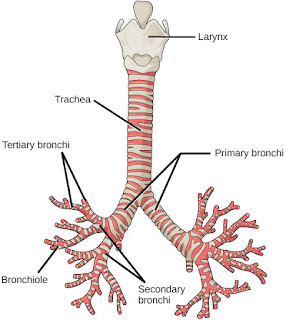
3. The air travels down the trachea until it reaches the bronchial tubes.

4. In the bronchial tubes are divided into the lungs.

5. In the lungs, the bronchi were to become alveoli.

6. The oxygen will be transferred into the blood.

7. The air containing carbon dioxide will be driven by the action of the diaphragm.


Webgraphy:


jueves, 21 de julio de 2016

3.- The Respiratory System - Organs And Functions


Organs And Functions:

Nasal Cavity: Filters and purifies the air by removing any dust, pollen ...


Pharynx: The air and food can pass meaning through the pharynx.


Larynx: If any food passes through the esophagus, larynx causes coughing.


Windpipe: Filter the air we breathe and goes directly into the bronchi.


Bronchial tubes: Two tubes where air passes and divide to go directly into the lungs.


Lungs: The organ that stores oxygen and expelling carbon dioxide and red blood cells distribute oxygen throughout the body.


Alveolo: It's like a small bag inside the lungs.


Diaphragm: Contracts to amplliar space within the chest cavity.


Webgraphy:


http://www.newhealthadvisor.com/Anatomy-of-Respiratory-System.html

http://www.tutorvista.com/biology/parts-of-the-respiratory-system-and-their-function

http://www.healthline.com/human-body-maps/respiratory-system